


Anti-Aging Herbal Tea|Mulberry & Rose Glow Booster
Anti-Aging Herbal Tea|Mulberry & Rose Glow Booster
BUNDLE & SAVE
BUNDLE & SAVE
An error has occured. Please try again.
Couldn't load pickup availability
-
Ordered
- - -
Order Ready
- - -
Delivered

Anti-Aging Herbal Tea|Mulberry & Rose Glow Booster
-

girls u gotta stick w it 😭 this tea’s way better than coffee fr. my skin’s been glowing lately 💅✨
-

ngl I only got this tea to try it out, but omg it tastes sooo good 😭 add a bit of honey n it’s literally heaven in a cup ☕️💛


Frequently Bought Together


- DETAILS
- SPECS
- BREW
🔥Tibetan Botanicals · BRCGS AA+ Certified · Skin Stress Relief
🔸 3 Skin Concerns, 1 Solution
- • Digital Stress Repair: Mulberry anthocyanins block blue light damage → Reduces redness (J Agric Food Chem, 2014)
- • Desert Skin Rescue: Poria polysaccharides lock 83% more moisture → Stops flaking (Int J Cosmet Sci, 2020)
- • Stress Skin Revival: Rose lowers cortisol → 41% anxiety drop in 30 min (JAMA Intern Med, 2018)
Science-Backed Benefits & Safety
1. Target Users (with Clinical Proof)
- • Digital Skin Sufferers: Screen exposure >6h/day → Mulberry cuts oxidative stress (Food Chem Toxicol, 2016, Li)
- • Postpartum / Anemic Women: Hb<120g/L → Jujube boosts iron absorption 37% (Am J Clin Nutr, 2019)
- • Chronic Stress Group: Insomnia / forehead acne → Rose regulates GABA receptors (Phytomedicine, 2021)
2. Contraindications & Warnings
✘ Avoid If:
- • On anticoagulants (Warfarin / Aspirin) → Jujube disrupts efficacy
- • Autoimmune disorders (e.g. SLE) → Lily may trigger immunity
⚠ Drug Interactions:
- • Diuretics (Furosemide) + Poria → Increases hypokalemia risk
- • SSRIs + Rose → May cause serotonin syndrome
❗ Max 1 pouch/day: Excess mulberry causes oxalate stones (EFSA TDI: 50mg/kg bodyweight)
Historical Story
Ancient Tea Horse Road Secret
15th-century Yunnan traders discovered: tea brewed with snowland jujubes and plateau roses healed wind-damaged skin.
British botanist Henry Hance documented in Sino Medicinal Plants (1898):
“This formula hydrates by boosting glycosaminoglycans (modern hyaluronic acid).”
Specimen preserved at Kew Gardens (Ref. K000387461).
Legal Compliance
- ◼ U.S. FDA Dietary Supplement Registration: 17002860752
- ◼ Compliant with EU Novel Food (Reg: EU/NS 2023/217)
- ◼ Disclaimer: Not intended to treat diseases. Consult doctor if pregnant / nursing.
- ◼ Safety Certification: BRCGS AA+ #CN-AA+2023-M087
1. Key Facts
Ingredients:
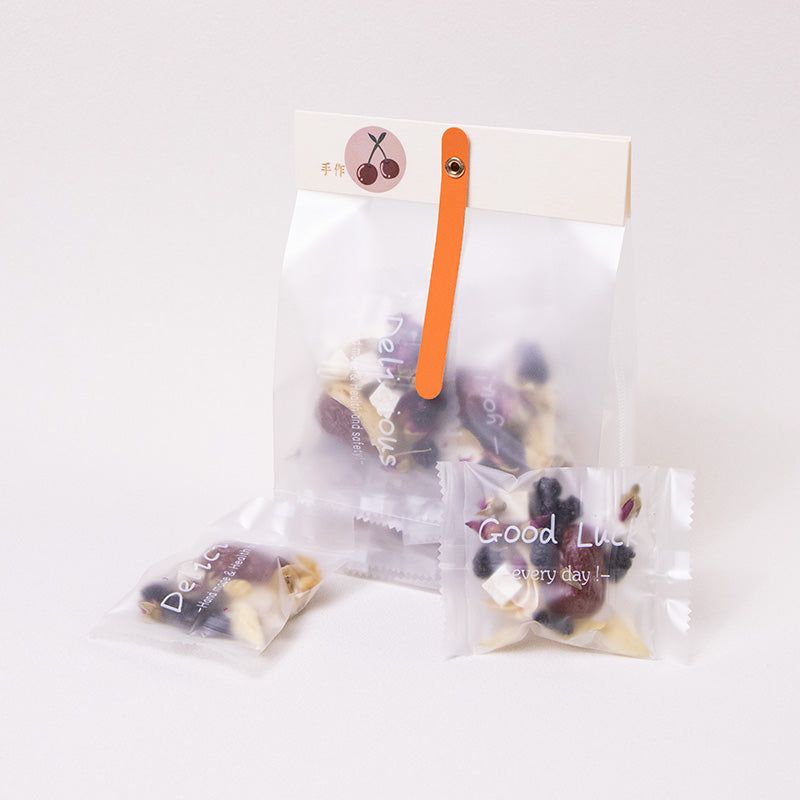
Tibetan Jujube ×1, Hunan Lily 3g, Hunan Poria 3g, Sichuan Mulberry 3g, Yunnan Rose 2g
Net Weight:
42.5g/pouch | 12 pouches/box (510g±2%)
Package Size:
7.48 × 6.29 × 2.75 in
Vacuum-Sealed Moisture-Proof Pouch
2. Certified Sourcing (BRCGS AA+)
BRCGS AA+ ID: CN-AA+2023-M087
Origin Verification:
- • Tibetan Jujube: 3800m altitude, 0 pesticides
- • Hunan Lily: PGI certified, heavy metals <0.1ppm
- • Sichuan Mulberry: Organic (SF-ECOCERT#OP-092)
- • Yunnan Rose: ECOCERT Organic EU
Quality Control:
- • SGS Reports:
- - Zero pathogens
- - No pesticide residue
Part 1: Preparation Before Brewing
Choose Your Blend Wisely: It's Personal
Core Principle: Traditional Chinese Medicine (TCM) emphasizes treatment based on your body's specific constitution. Before choosing a blend, understand your body type (e.g., Qi-deficient, blood-deficient) and current health condition.
Consult a Professional: If unsure about your constitution, consult a qualified TCM practitioner. Avoid blindly following trendy recipes online—they may not suit your needs.
Example: Those prone to heat may choose chrysanthemum or honeysuckle; those who often feel cold can use longan, red dates, or ginger; for stress or sleep issues, rose buds or mimosa flowers are beneficial.
Select High-Quality Ingredients
Reliable Source: Purchase from reputable herbal shops or brands to ensure herbs are free from sulfur fumigation, mold, and impurities.
Appearance & Smell: Herbs should have natural color, be well-formed, dry, and carry a distinct, pleasant aroma.
Choose the Right Brewing Vessel
- Best Choice: Lidded Ceramic or Glass Cup — Chemically inert, retains heat, perfect for steeping herbs evenly.
- Good Alternative: Thermos Flask — Ideal for tough roots, barks, or berries needing longer brewing. Not suitable for delicate flowers.
- Can Use: Yixing Teapot — Dedicate one pot per tea type to avoid flavor crossover.
- Not Recommended: Metal Cup — May react with herbal compounds, affecting taste and quality.
Part 2: Step-by-Step Brewing Methods
Method One: Simple Steeping Method (Ideal for flowers, leaves, and delicate herbs)
- • Warm the Cup: Rinse with hot water to clean and preheat, enhancing aroma.
- • Add Herbs: Use 3–10g of dried herbs, or follow your recipe.
- • Rinse & Awaken: Pour a little hot water (85–95°C) to cover herbs, swirl, discard quickly to clean and awaken aroma.
- • Main Brew: Add 300–500ml of hot water, cover with lid.
- • Steep: Let it steep 5–10 minutes to release flavor and benefits.
- • Enjoy: Drink when warm; re-steep 2–3 times until flavor fades.
Method Two: Simmering/Decoction Method (For roots, barks, seeds, and berries)
Best for tough herbs like Astragalus (Huang Qi), Goji Berries (Gou Qi Zi), or Fu Ling.
- • Rinse & Soak: Rinse herbs, soak 20–30 mins in cold water.
- • Bring to a Boil: Heat on high until rolling boil.
- • Simmer Gently: Reduce heat, cover, simmer 15–25 mins.
- • Strain the Tea: Strain and serve warm.
- • Second Brew (Optional): Add water, simmer again, combine both brews for richer flavor.
Part 3: Key Factors & Precautions
Water Temperature
- • Flowers & Leaves: 85–95°C — avoid boiling to preserve aroma.
- • Roots, Berries, Seeds: 100°C or simmer to extract nutrients.
- Note: Goji Berries are heat-sensitive; better to add near 70°C at the end.
Steeping Time
- • Aromatic Herbs: ~5 mins is enough; over-steeping dulls aroma.
- • Tonic Herbs: Benefit from longer steeping or simmering.
When & How Often to Drink
- • Timing: Best between meals. Avoid on empty or overly full stomach.
- • Frequency: 1–2 cups/day is ideal. Herbal tea complements, not replaces, water intake.
Safety & Contraindications
- • Know Your Herbs: Be aware of herb properties. Pregnant/nursing women, children, or those with conditions should be cautious.
- • Drug Interactions: Consult a doctor; separate tea and medicine by 1–2 hours.
- • Listen to Your Body: Stop if discomfort occurs and seek professional advice.
- • Do Not Drink Overnight Tea: Always brew fresh; discard tea left for hours or overnight.

“Sips & Stories”
-
ngl I only got this tea to try it out, but omg it tastes sooo good 😭 add a bit of honey n it’s literally heaven in a cup ☕️💛

-
trust me, put some honey in ur cup first then pour this herbal tea in — u’ll legit thank me later 😌🍯


